
Why Greenland Matters — A Canadian Supply Chain Perspective
Greenland might not seem like a traditional supply-chain hub — it doesn’t build factories or distribute consumer goods the way Asian ports do — but it is rapidly becoming one of the most strategically significant places on Earth. From a Canadian point of view, its value goes far beyond geography: it intersects with economic security, Arctic sovereignty, Indigenous collaboration, climate change, and global competition for critical resources.
1. A Strategic Neighbour in the North
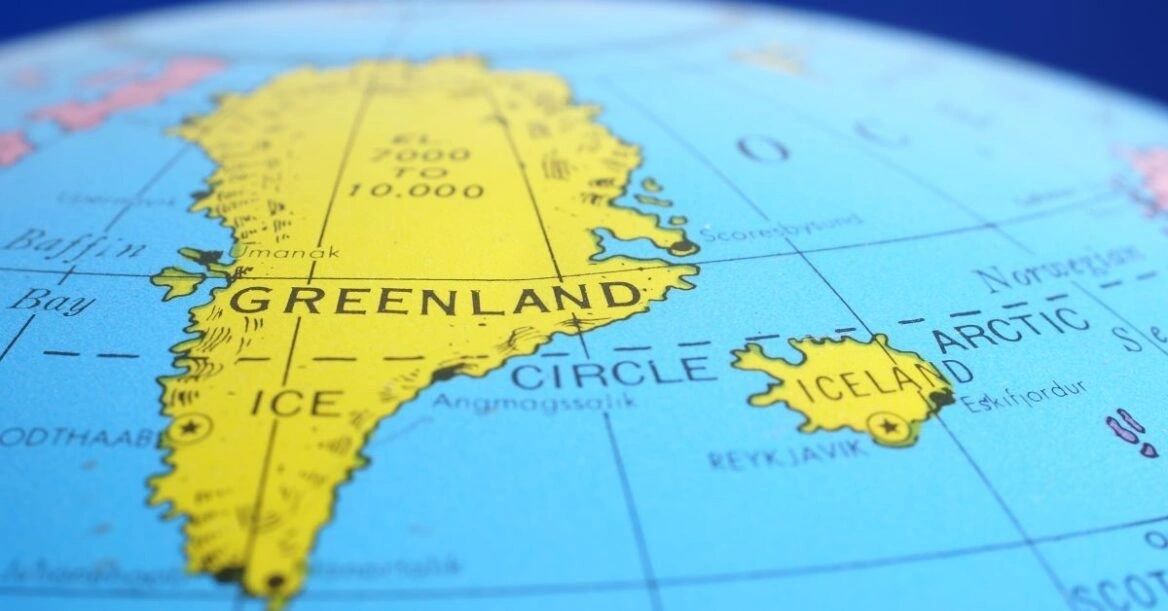
Geographically, Greenland sits just northeast of Canada across the Davis Strait and Baffin Bay. Its location places it at the gateway to the Arctic — a region that is opening up fast as ice melts due to climate change. Once nearly impenetrable, northern shipping routes and access to minerals are becoming more viable, drawing global attention.
For Canada, this isn’t just “interesting geography” — it’s part of the evolving Arctic. Shipping lanes near Canada’s Northwest Passage are part of the same broader transformation pushing Greenland into supply-chain conversations. Historical disputes like the 1985 Polar Sea controversy remind us how sensitive Arctic navigation and sovereignty issues can be.
2. Critical Minerals and Supply-Chain Diversification
Greenland is widely believed to contain large deposits of critical minerals — rare earth elements, graphite, uranium, zinc, and others needed for technologies from EV motors to renewable energy systems and defence equipment. These materials are central to reshaping supply chains away from over-dependence on countries like China, which currently dominate many processing stages.
Canada itself is pushing hard to build out its own critical minerals sector. From northern projects in the Northwest Territories to rare-earth exploration in Quebec, Ottawa wants secure, Western-aligned sources of these materials. Greenland could complement Canadian supply chains — adding geography, geology, and strength through cooperation.
3. Canada’s Geopolitical Interests in the Arctic
It’s not just economics. Canada’s government has made the Arctic a foreign policy priority. In 2025, Ottawa announced plans to open a consulate in Nuuk, Greenland, signalling an intent to deepen diplomatic ties and enhance Canada’s presence in the High North alongside partners like Denmark and members of NATO.
Canada has also publicly backed Greenland’s sovereignty amid U.S. talk of territorial ambitions, underscoring respect for self-determination. Ottawa’s stance supports a stable Arctic where rights and local voices matter.
4. Shared Security Through NORAD and Arctic Cooperation
Canada and the U.S. jointly operate NORAD — the North American Aerospace Defense Command — which relies on early-warning radars and data from across the Arctic, including installations in Greenland. While U.S. strategic decisions shape much of this cooperation, Greenland remains important to North American defence. Canadian security planners watch this closely because changes in the Arctic ripple into Canadian airspace and maritime approaches.
5. Arctic Indigenous and Cultural Connections
Greenland and Canada share strong cultural and Indigenous ties, especially with Inuit populations across northern Canada and Greenland. Partnerships here aren’t only about economy and security — they’re about supporting northern communities and respecting traditional knowledge in resource development and climate adaptation.
6. Challenges and Realities — Not Just Opportunities
None of this is “easy.” Greenland’s Arctic environment makes infrastructure expensive, extraction difficult, and shipping seasonal. Its mining presence remains small, and many projects take years of planning before moving forward. Moreover, Greenlanders themselves must balance economic opportunity with environmental stewardship and cultural preservation.
But that balance, and Canada’s role in it, should be part of our own conversation about supply-chain resilience, clean-tech transition, and Arctic partnership.
Greenland isn’t just a distant island; it’s a neighbor whose rising strategic importance has direct implications for Canada’s supply-chain strategy, Arctic policy, and economic security. As global demand for critical materials grows, and as the Arctic becomes more accessible, Canada’s engagement with Greenland — and with Arctic governance more broadly — will shape our future on the world stage. Supporting partnerships rooted in respect, shared prosperity, and environmental responsibility is not only smart policy — it’s Canadian strategy for the 21st century.