
From Ontario Farms to U.S. Cities: What a Cucumber’s Journey Reveals About Supply Chain & Procurement Strategy
In global supply chain and procurement, complexity often hides in plain sight. Take a cucumber grown in Ontario and sold in a U.S. grocery store. On the surface, it’s a simple, low-cost item. In reality, its journey reveals critical lessons about cross-border logistics, supplier risk, trade compliance, and food supply chain resilience.For procurement and supply chain leaders, this everyday product is a case study in how modern sourcing really works.
The North American Produce Supply Chain: Highly Integrated, Highly Dependent
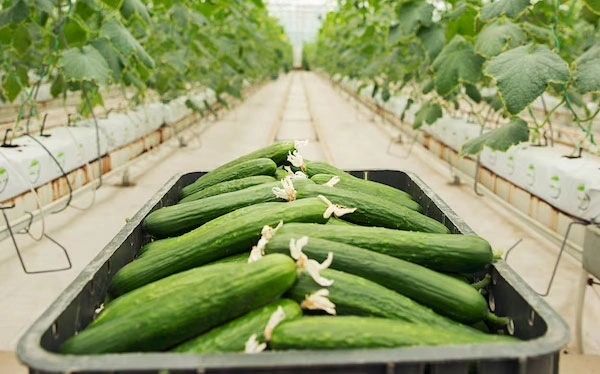
Ontario is one of the largest producers of greenhouse cucumbers in North America, with the majority of production exported to the United States. This is a textbook example of regionalized global sourcing — production is concentrated where conditions, infrastructure, and expertise are strongest, while demand is fulfilled across borders.For procurement teams, this highlights a key reality:
“Local” supply chains are often international by default.
Even short physical distances still require:
- Cross-border transportation
- Customs clearance
- Trade documentation
- Regulatory alignment
The cucumber supply chain demonstrates how U.S. food retailers rely on Canadian suppliers for consistent volume, quality, and year-round availability.
Supplier Strategy: Why Buyers Source Cucumbers from Ontario
From a procurement perspective, Ontario cucumber growers offer several advantages:
1. Supply Consistency
Greenhouse production reduces weather volatility, making supply more predictable — a major factor in category management and contract planning.
2. Proximity to Market
Compared to offshore produce sourcing, Ontario suppliers offer:
- Shorter lead times
- Lower transportation risk
- Reduced spoilage and shrink
This supports nearshoring strategies increasingly favored by procurement teams post-pandemic.3. Quality & Compliance
Canadian producers typically meet or exceed U.S. food safety standards, simplifying supplier qualification and ongoing compliance monitoring.For buyers managing fresh food categories, these factors often outweigh marginal cost differences
.
Logistics & Transportation: Where Cost and Risk Accumulate
Despite geographic proximity, the logistics behind fresh produce remain complex.
Key supply chain challenges include:
- Cold chain management: Any temperature deviation can lead to product loss.
- Border delays: Even minor customs slowdowns can impact shelf life.
- Fuel and freight volatility: Transportation costs directly affect landed cost calculations.
For procurement leaders, this reinforces the importance of:
- Strong carrier partnerships
- Real-time shipment visibility
- Contingency planning for cross-border disruptions
In fresh food categories, logistics performance is often as important as supplier pricing.
Trade Compliance & Regulatory Risk in Food Procurement
Fresh produce sourcing across borders requires navigating multiple regulatory frameworks, including U.S. food safety rules applied to foreign suppliers.This creates additional procurement responsibilities:
- Supplier audits and verification
- Documentation and traceability requirements
- Ongoing monitoring of regulatory changes
The cucumber’s journey shows how compliance risk is embedded in everyday sourcing decisions, even for low-margin products
.
Small Products, Big Supply Chain Lessons
Why should procurement and supply chain professionals care about cucumbers?
Because this single product illustrates several macro-level trends:
- Increasing reliance on cross-border supply chains
- The strategic value of nearshore suppliers
- The growing importance of logistics resilience
- The hidden complexity behind “simple” SKUs
For organizations focused on cost optimization, risk mitigation, and supplier diversification, produce supply chains offer valuable insights that apply far beyond food.Visibility Is the Real Competitive Advantage
A cucumber may only travel a few hundred kilometers — but it passes through farms, packing facilities, logistics networks, border controls, and distribution centers before reaching the consumer.For modern procurement teams, success depends on end-to-end supply chain visibility, not just price negotiation.
Understanding where products come from — and what it takes to move them — is no longer optional. It’s a competitive advantage.