
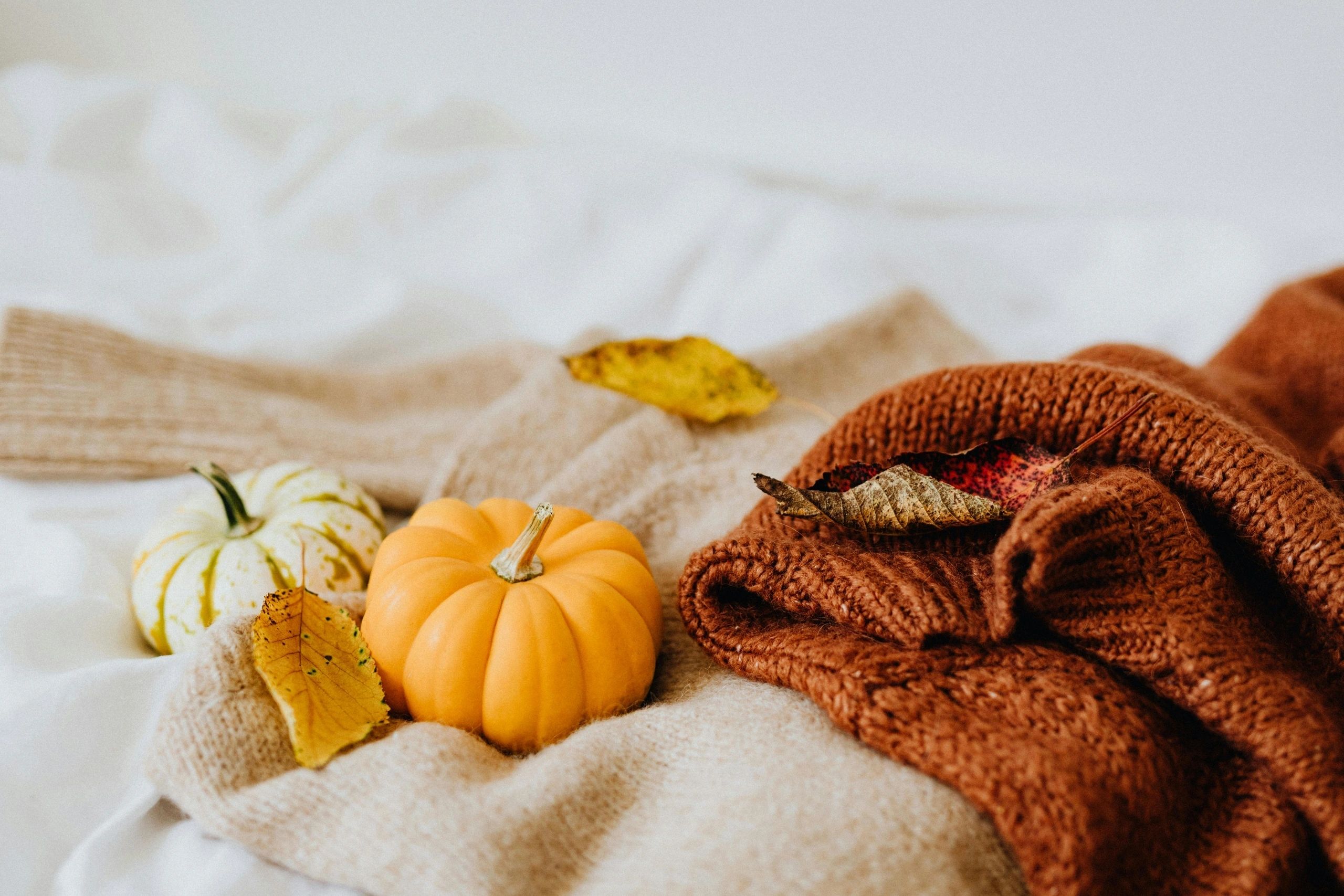
As fall settles in, many of us are excited about the season’s flavors, fashion, and cozy traditions—pumpkin spice lattes, apple pies, and warm sweaters. But behind every seasonal favorite is a complex, global supply chain working around the clock to deliver the products we love. Have you ever wondered how these items actually get to your coffee shop, grocery store, or clothing rack right on time? Let’s take a closer look at how the fall supply chain keeps everything running smoothly. Pumpkin Spice Everything Nothing says fall like pumpkin spice. From lattes and muffins to candles and cereals, this flavor has become a global seasonal phenomenon. But behind the seasonal trend is a well-orchestrated pumpkin spice logistics network:
- Pumpkins are harvested across the U.S. Midwest and parts of Canada.
- Spices such as cinnamon, nutmeg, and cloves often travel thousands of miles from regions like Indonesia, Sri Lanka, and India.
- Processing & Distribution: Once harvested, ingredients are processed, packaged, and shipped to food manufacturers and coffee chains worldwide—ensuring that pumpkin spice hits menus the moment leaves start to turn.
Without just-in-time logistics and global sourcing, that pumpkin spice latte wouldn’t be in your hands by early September.
Apple Harvest & Cider Fall wouldn’t be complete without apples—whether fresh, baked into pies, or pressed into cider. The apple supply chain is a story of efficiency and storage innovation:
- Harvest begins in late summer, with orchards across North America producing millions of bushels.
- Cold Storage Technology allows apples to stay crisp for months, extending their availability well into the season.
- Distribution ensures apples move quickly from orchards to grocery shelves, bakeries, and cider mills, allowing us to enjoy apple-based treats throughout fall and winter.
The apple harvest highlights how agriculture and logistics work hand-in-hand to keep seasonal products available long after harvest day.
3. Cozy Fall Fashion When temperatures drop, so does the demand for cozy apparel. But that perfect sweater or scarf relies on a global fall fashion supply chain:
- Raw Materials: Wool, cashmere, cotton, and synthetic fibers are sourced from around the world.
- Manufacturing: Garments are produced in regions like South Asia, China, and Eastern Europe, where fast-turnaround production meets seasonal demand.
- Retail Distribution: Logistics networks ensure new collections hit stores and e-commerce platforms just as consumers start shopping for fall wardrobes.
Fashion is one of the most time-sensitive industries, and fall highlights the importance of speed, accuracy, and seasonal demand planning.
The Bigger Picture: Why Seasonal Supply Chains Matter Pumpkin spice lattes, apple pies, and fall fashion aren’t just fun traditions—they’re examples of how global supply chains adapt to seasonal demand. Every link in the chain, from farmers and textile producers to shipping companies and retailers, plays a crucial role in delivering products at exactly the right time. For supply chain professionals, fall represents:
- Forecasting challenges: predicting spikes in demand.
- Logistics coordination: balancing speed with cost efficiency.
- Resilience: managing disruptions from weather, transportation delays, or labor shortages.
Behind the cozy vibes of fall is an intricate web of planning, coordination, and execution.
Next Time You Sip a Latte…So, the next time you grab a pumpkin spice latte, slice into a fresh apple pie, or pull on a new sweater, remember the fall supply chain that makes it all possible. It’s a reminder of how global trade, logistics, and innovation touch our everyday lives—even in the simplest seasonal traditions. Here’s to the unsung heroes of fall: the supply chain professionals making the season’s favorites possible.